Request A Quote
 Contact Us
 South Africa (Select Country)

 India
 Australia
 UK
 USA
 Malaysia
 German
 UAE



Biomass Pumps
Engineered to Move Toughest Fluid
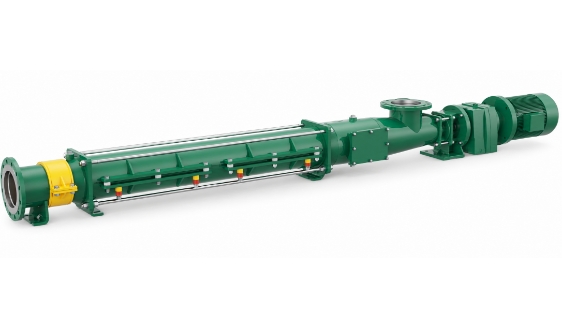
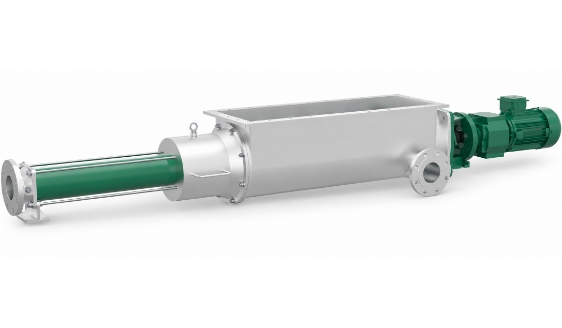
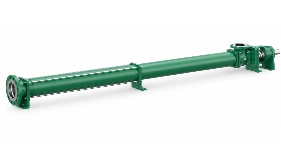
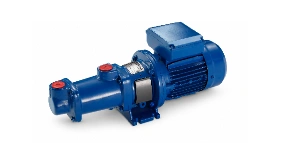
Industrial biomass pumps for biogas plants designed for slurry recirculation, fermentation processes, and digestate transfer. Comes in vertical and horizontal biomass slurry pumps.
Flow Rate -
Up to 210 m3/hr / 925 GPM
Pressure -
Up to 12 Bar / 175 PSI

What are Biomass Pumps ?
Roto Biomass Pump is a heavy-duty industrial pump engineered to transfer thick organic materials such as manure slurry, agricultural residues, food waste, and digestate within biogas plants. These pumps are designed to handle high-viscosity, fibrous, and solids-laden slurry used in biogas fermentation processes and digestate storage systems.
Biomass pumps ensure reliable movement of slurry between fermentation tanks, digesters, and storage units, enabling continuous anaerobic digestion and efficient biogas production.


Applications where they are majorly used:
- Biomix Feed
- Press Separator
- Pasteurized Biomass
- Condensed Substrate
- Transfer of Digestate to Biomix Unit & Open Lagoon or Storage Tank
Role of Biomass Pumps in Biogas Plants
Biogas plants process large volumes of organic waste through anaerobic digestion. For this process to operate efficiently, biomass slurry must move continuously through several stages including feeding, fermentation, recirculation, and digestate storage.
Because biomass slurry often contains fibrous materials and solid particles, conventional centrifugal pumps may struggle with clogging or inconsistent flow. Biomass slurry pumps, typically designed using positive displacement technology, are capable of transporting thick slurry reliably while maintaining a controlled and stable flow.

These pumps are commonly used for
- Pumps for feeding to digestate storage tanks
- Pumps for recirculation of fermentation tank slurry
- Pumps in biogas fermentation systems
- Biomass slurry transfer between digesters
- Handling organic waste slurry in renewable energy plants
By ensuring smooth slurry movement, biomass pumps help maintain optimal digestion conditions and improve biogas yield.

Key Benefits of High Precision Dosing Pumps
Biogas plant operations require pumps capable of handling thick and abrasive materials continuously. Biomass pumps provide several operational advantages.
Reliable Handling of Thick Slurry
Biomass pumps are designed to handle high-viscosity organic slurry containing solids and fibers.
Stable Flow for Fermentation Processes
Consistent flow ensures uniform feeding and recirculation of slurry in fermentation tanks, which supports efficient anaerobic digestion.
Reduced Risk of Blockages
The pump design minimizes clogging issues commonly encountered in conventional pumping systems.
Efficient Operation with High Solids
Biomass slurry pumps perform effectively even when the slurry contains large organic particles.
Durable Construction
Heavy-duty components provide long service life in abrasive and demanding biomass environments.
Flexible Installation Options
Biomass pumps are available in both vertical biomass pumps and horizontal biomass pumps, making them suitable for different plant configurations.

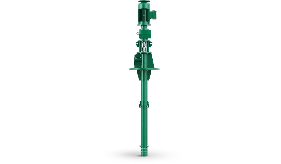
VERTICAL BIOMASS PUMP
Vertical biomass pumps are installed directly in pits, tanks, or underground slurry reservoirs. They are engineered to save space and ensure easy access.
Common uses include
- Transfer of Digestate to an open lagoon or Storage Tank
- Recirculation of fermentation tank slurry
- Transfer of biomass slurry from collection pits to digesters
Advantages
- Ideal for deep slurry tanks
- Reduced suction challenges
- Space-efficient installation
Exploded view

Clamp
Specially designed clamp enables quick removal of rotor and stator without dismantling discharge line.
Optimised Rotor Stator Geometry
Improved rotor stator geometry minimizes wear due to lower rubbing velocities.
Split Coupling Rod
Enables quick dismantling of pumping elements from the coupling rod.
Dual Inspection Windows
Provides access to split coupling rod and also allows removal of any blockage.
Thrust Bush Joint
The uniquely designed thrust bush joint efficiently absorbs axial loads, ensuring smooth and reliable operation. A metal-reinforced boot seal prevents media from entering the joints, extending joint life and reducing wear and maintenance .
Cradan Joint
The Cardan type of Universal Joint employs two sets of perpendicular pins, each providing freedom of angular movement, which facilitates smoother transmission of angular loads. It also can withstand higher axial loads.
Antiblock Arrangement
This applies to Roto’s vertical biomass pump, not the horizontal model.
6 Opening Pump Housing
Enables 6 way pump opening for quick and easy maintenance.
Pump Selection Guide
How to Choose the Right Biomass Pump
Choosing the correct pump requires evaluating several operational parameters.
Slurry Composition
Determine viscosity, solids percentage, and fiber length of the biomass slurry.
Flow Rate Requirement
Calculate the required pump capacity for fermentation feeding or slurry recirculation.
Pump Installation Type
Select vertical biomass pumps for tank installation or horizontal biomass pumps for pipeline transfer.
Maintenance Accessibility
Choose pumps designed for convenient inspection and component replacement.
Selecting the correct pump configuration ensures reliable operation and optimal biogas plant performance.
Abrasion Resistance
Biomass slurry may contain abrasive particles requiring durable pump materials.
Pressure and Distance
Evaluate discharge pressure and pumping distance between digesters and storage tanks.

Why Biomass Pumps are Important in Biogas Fermentation
Anaerobic digestion requires consistent movement of organic slurry to maintain microbial activity. Any interruption in slurry transfer can affect fermentation efficiency and biogas production.
Biomass pumps help maintain stable plant operations by:
- Providing consistent slurry feeding to digesters
- Maintaining slurry circulation within fermentation tanks
- Transporting processed digestate to storage tanks
- Preventing clogging in biomass handling systems
These functions make biomass pumps a critical component of modern biogas plants and renewable energy facilities.
Talk to a Biomass Pump Expert
If you are planning a biogas plant or biomass energy facility, selecting the right pump is essential for reliable slurry movement and efficient digestion.
Connect with an experienced industrial pump manufacturer or supplier to identify the most suitable biomass pump solution for fermentation slurry recirculation, biogas processing, and digestate transfer systems.
Connect With Our ExpertsRoto Progressive Cavity Pump Range